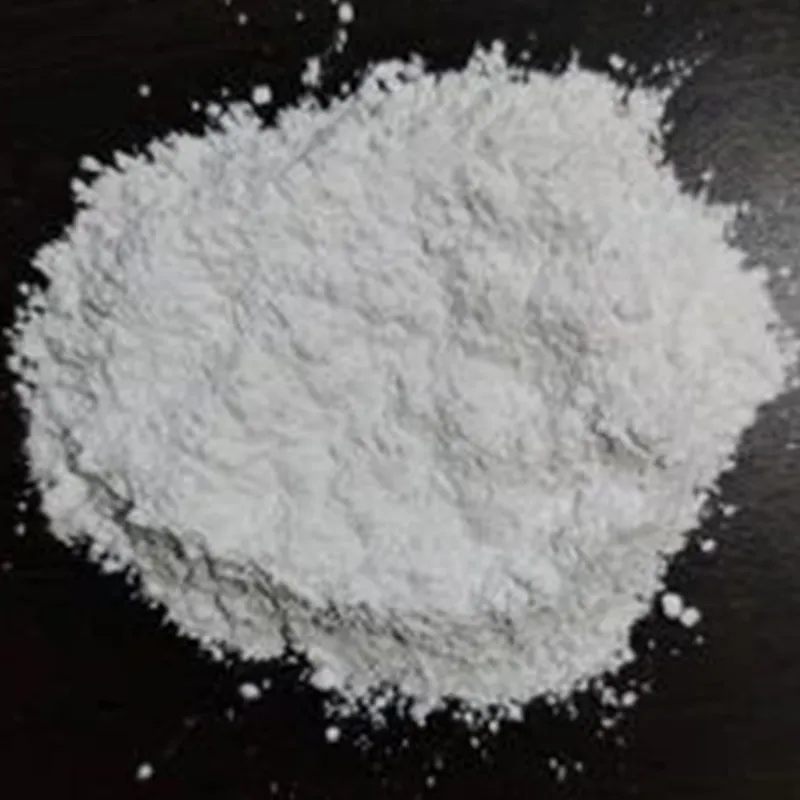
Flubendiamide is a novel insecticide in the phthalic acid diamides family. It is used to control lepidopteran pests in various annual and perennial crops.
CAS No.: 272451-65-7
Molecular Formula: C23H22F7IN2O4S
Molecular Weight: 682.39
Melting point |
218–221 °C |
Boiling point |
578.6 ± 50.0 °C (Predicted) |
Density |
1.615 ± 0.06 g/cm³ (Predicted) |
Storage temperature |
-20 °C Freezer |
Solubility |
DMSO (Slightly), Methanol (Slightly) |
pKa |
11.59 ± 0.70 (Predicted) |
Color |
White to Off-White |
Symbol (GHS) |
|
Signal word |
Warning |
Hazard statements |
H410 |
Precautionary statements |
P273-P391-P501 |
RIDADR |
UN 3077 9 / PGIII |
WGK Germany |
1 |

Flubendiamide is a novel insecticide from the phthalic acid diamides family. It is primarily used against lepidopteran pests in various annual and perennial crops. Flubendiamide is a benzenedicarboxamide derivative exhibiting selective insecticidal activity against lepidopterous insects. The specific modulatory effects of flubendiamide on ryanodine binding in insect muscle microsomal membranes indicate that the ryanodine receptor (RyR) Ca2+ release channel is a primary target of flubendiamide.
Flubendiamide is a new insecticide that has been shown to provide excellent control of lepidopterous pests in tomato. It is an organofluorine insecticide and acts as a ryanodine receptor modulator. Functionally, it is related to a phthalamide. Flubendiamide may also be used as an analytical reference standard for determining the analyte in vegetables and fruits by high-performance liquid chromatography with an ultraviolet detector (HPLC-UV) and by HPLC coupled with tandem mass spectrometry (MS/MS), respectively.
Flubendiamide is a new insecticide that specifically targets immature lepidopteran pests. It represents a new class of insecticide, pthalamic acid diamides. Flubendiamide is classified as the first member of the new Group 28 (ryanodine receptor modulator) within the IRAC (Insecticide Resistance Action Committee) mode-of-action classification scheme. In addition, flubendiamide demonstrates an excellent biological and ecological profile. As a result, flubendiamide is an effective tool for controlling lepidopteran insects as part of insect resistance management and integrated pest management programs, as suggested.