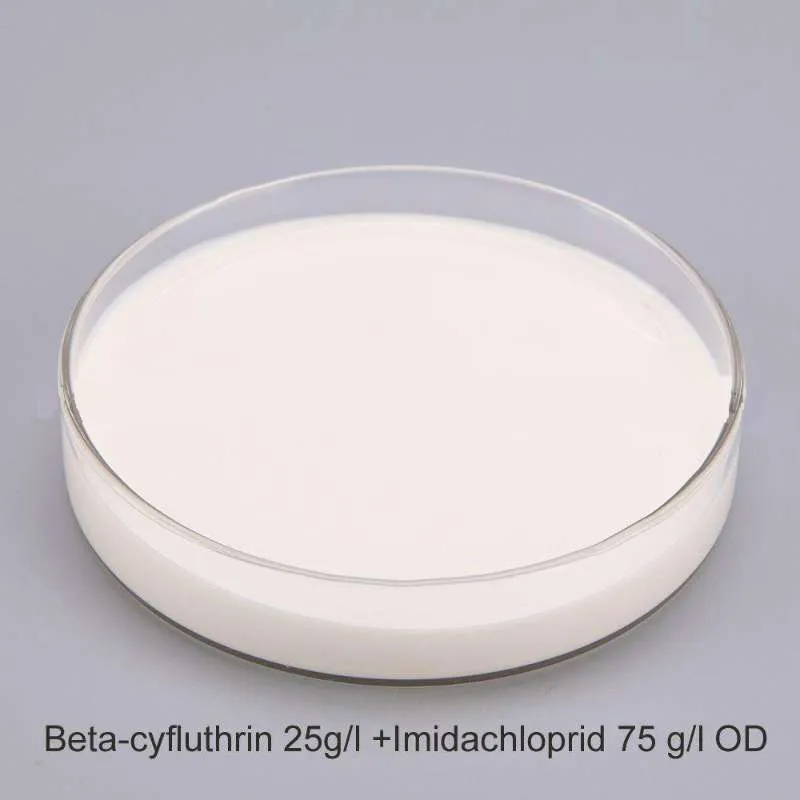


Cyhalothrin is a broad-spectrum pesticide and acaricide used to control a wide range of pests across various applications.
CAS No.: 91465-08-6
Molecular Formula: C23H19ClF3NO3
Molecular Weight: 449.85
Melting point | 49.2 °C |
Boiling point | 187–190 °C |
Density | 1.3225 (estimate) |
Storage temperature | Store sealed in a dry place at 2–8 °C |
Solubility | Chloroform (sparingly), DMSO (slightly), Methanol (slightly) |
Physical form | Solid |
Colour | White to off-white |
Stability | Light sensitive |
Symbol (GHS) |
|
Signal word | Danger |
Hazard codes | T+, N, N, T+, Xn |
RIDADR | UN 2810 6.1/PG 3 |
RTECS | GZ1227780 |
Hazard class | 6.1 |
Packing group | III |


Cyhalothrin is a broad-spectrum pesticide and acaricide used to control a wide range of pests across various application scenarios. It belongs to the pyrethroids, a class of synthetic insecticides with structural similarity and insecticidal activity to naturally occurring pyrethrum, derived from chrysanthemum flowers. Commercially, it is used to control insects on non-food crops, in greenhouses, in hospitals, and on crops such as cotton, cereals, hops, ornamentals, potatoes, and vegetables, among others. It targets multiple pest types, including aphids, Colorado beetles, and butterfly larvae. In addition, it is effective in public health applications to control insects that may act as disease vectors, such as cockroaches, mosquitoes, ticks, and flies.
Registered with the EPA in 1988, cyhalothrin is often preferred as an active ingredient in insecticides because it is predominantly insoluble in water, reducing the likelihood of water contamination. It is also nonvolatile, helping it remain effective for extended periods.
Chemical properties
Colourless to beige powder; or viscous yellowish-brown liquid. Mild odour. Liquid formulations containing organic solvents may be flammable.
Agricultural uses
Insecticide; acaricide: A U.S. EPA restricted use pesticide (RUP). Only cyhalothrin is banned for use in the EU; not the lambda isomer (CAS 68085-85-8). Used to control a variety of pests in many crops. Also used in structural pest control applications.