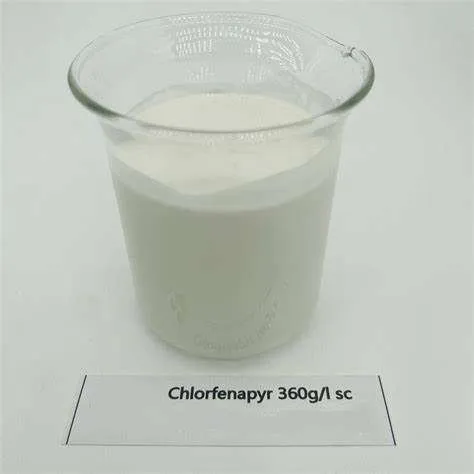
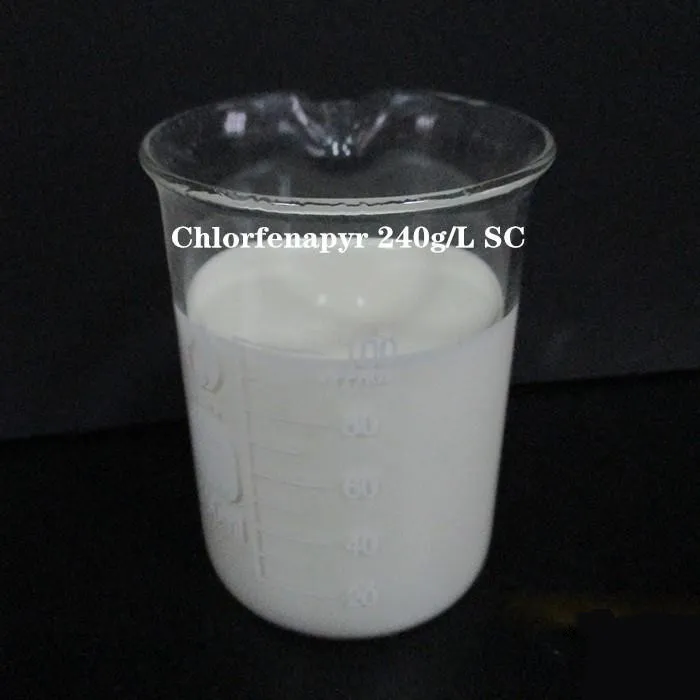
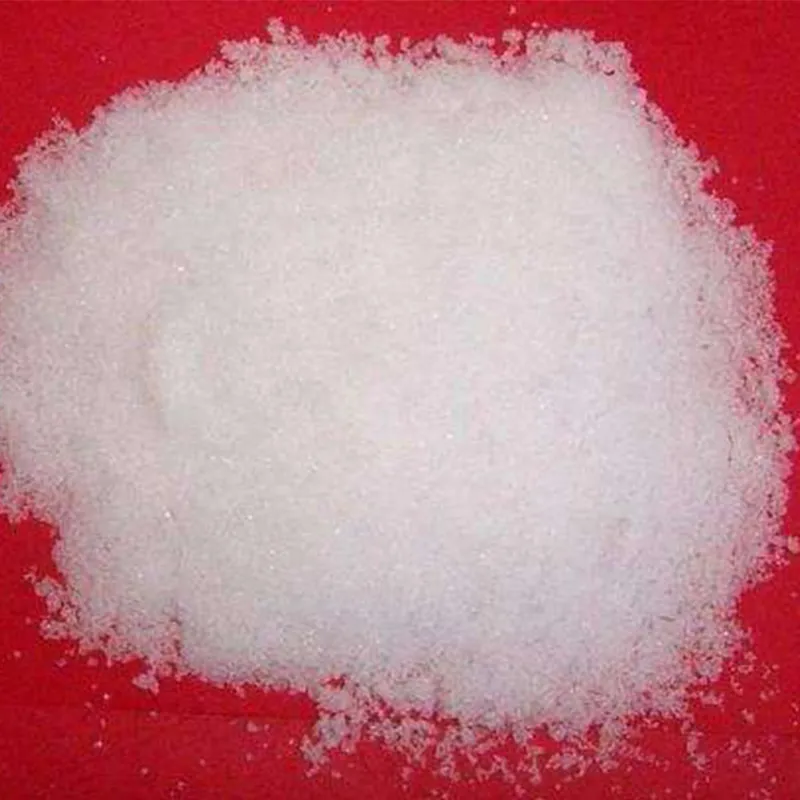
Chlorfenapyr is a broad-spectrum pesticide that is not approved for use in the EU. In the US, it is approved only for limited applications, specifically for ornamental plants in greenhouses.
Molecular Formula: C15H11BrClF3N2O
Molecular Weight: 407.61
Melting point |
91–92° |
Boiling point |
443.5 ± 45.0 °C (Predicted) |
Density |
1.53 ± 0.1 g/cm³ (Predicted) |
Storage temperature |
Sealed in a dry place, 2–8 °C |
Water solubility |
Insoluble in water |
Solubility |
DMSO: 250 mg/mL (613.33 mM) |
Physical form |
Solid |
pKa |
-18.00 ± 0.70 (Predicted) |
Color |
White to almost white |
Symbol (GHS) |
|
Signal word |
Danger |
Hazard codes |
T; N, N, T |
RIDADR |
UN 2811 |
WGK Germany |
3 |
HS Code |
2933.99.1701 |


Chlorfenapyr is a broad-spectrum pesticide that is not approved for use in the EU and is approved for limited applications in the US (ornamental plants in greenhouses). It was originally rejected for FDA approval due to avian and aquatic toxicity. Data on human toxicity remains limited; however, it shows moderate mammalian toxicity when taken orally, causing vacuolation of the nervous system in mice and rats. It is not persistent in ecosystems and has low aqueous solubility.
Chlorfenapyr can also be used as an insect-proofing agent for wool and has been investigated for malaria control applications.
Chlorfenapyr is a halogenated pyrrole-based pro-insecticide. It works by being metabolized into an active insecticide after entering the host. Chlorfenapyr is primarily used for pest control on cotton.
Acaricide, Insecticide, Miticide: Severely restricted for use in the EU. Active in the U.S. as a foliar spray in greenhouses for ornamental crops and target pests, including mites, caterpillar pests, thrips, and fungus gnats. No food use in the U.S. Used on ornamental crops in commercial greenhouses to control mites, caterpillar pests, thrips, and fungus gnats. Not for food use. Not an approved substance in EU countries. Registered for use in the U.S.