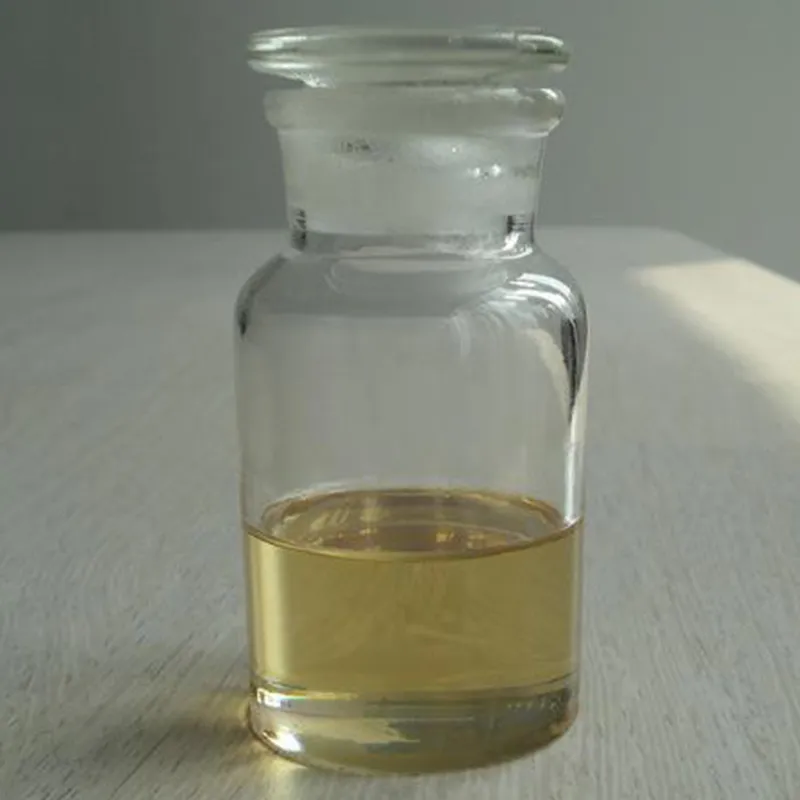


Dicamba is a benzoic acid derivative used as a broad-spectrum herbicide. It is applied for the control of a wide range of weeds.
CAS No.: 1918-00-9
Molecular Formula: C8H6Cl2O3
Molecular Weight: 221.04
|
Melting point |
112–116 °C (lit.) |
|
Boiling point |
316.96 °C (approx.) |
|
Density |
1.57 |
|
Refractive index |
1.5000 (estimate) |
|
Flash point |
2 °C |
|
Storage temperature |
2–8 °C |
|
Solubility |
Chloroform (slightly), Methanol (slightly) |
|
Form |
Crystals |
|
pKa |
2.40 ± 0.25 (predicted) |
|
Color |
White |
|
Water solubility |
50 g/100 mL |
|
Symbol (GHS) |
|
|
Signal word |
Danger |
|
Hazard codes |
Xn, N, F |
|
RIDADR |
UN 3077 9/PG 3 |
|
HS Code |
29189900 |


Dicamba is a benzoic acid derivative used as a broad-spectrum herbicide. It can be used to control annual and perennial rose weeds in grain crops and highlands, to manage brush and bracken in pastures, and to control legumes and cacti. It kills broadleaf weeds both before and after they sprout. Dicamba works by stimulating abnormal plant growth, which leads to nutrient depletion and plant death. This effect is based on the nature of Dicamba as a synthetic mimic of natural auxin (a plant hormone responsible for plant growth). Following treatment, the plant develops abnormalities such as leaf epinasty, leaf abscission, and inhibition of root and shoot growth. Overall, the effects of auxinic herbicides can be divided into three consecutive phases in the plant: (1) stimulation of abnormal growth and gene expression; (2) inhibition of growth and physiological responses, such as stomatal closure; and (3) senescence and cell death.
Uses:
Selective, systemic pre-emergence and post-emergence herbicide for the control of both annual and perennial broad-leaved weeds, chickweed, mayweed, and bindweed in cereals and related crops.
Dicamba is mainly used as an herbicide to control weeds, dock, bracken, and brush. It is frequently applied in combination with other herbicides, including atrazine, glyphosate, imazethapyr, ioxynil, and mecoprop.