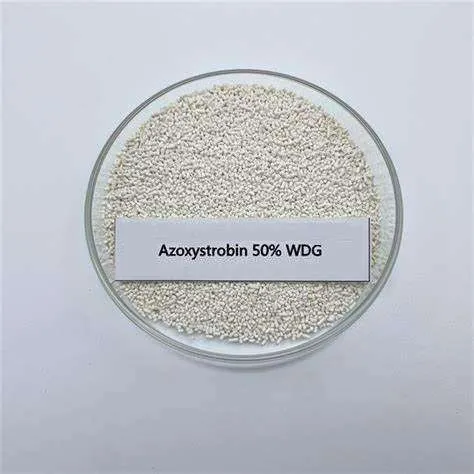
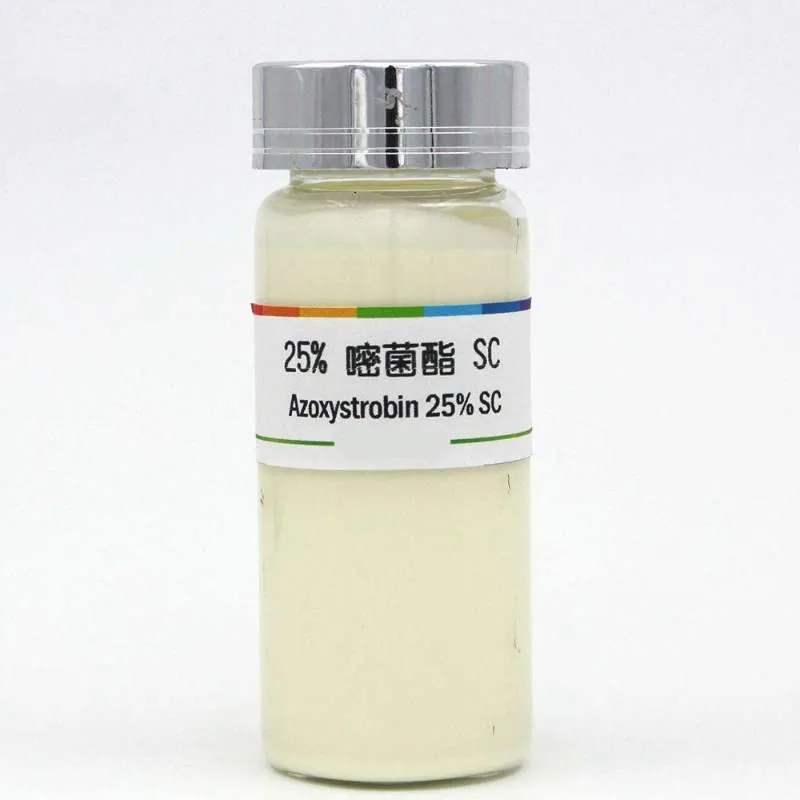
Strobilurin fungicide that inhibits mitochondrial respiration by blocking electron transfer between cytochromes b and c1. Suitable as an agricultural fungicide for crop protection.
CAS No.: 131860-33-8
Molecular Formula: C22H17N3O5
Molecular Weight: 403.39
Melting point |
118–119 °C |
Boiling point |
581.3 ± 50.0 °C (Reference: predicted) |
Density |
1.33 |
Vapour pressure |
1.1 × 10⁻¹⁰ Pa (25 °C) |
Storage temperature |
Keep sealed in a dry place at room temperature |
Solubility |
Chloroform: slightly soluble |
pKa |
-0.93 ± 0.18 (Reference: predicted) |
Physical form |
Solid |
Water solubility |
6 mg/L (20 °C) |
Colour index |
23860 |
Colour |
White to yellow |
GHS symbol(s) |
|
Signal word |
Danger |
Hazard codes |
T; N, N; T |
RIDADR |
UN 2811 |


Description
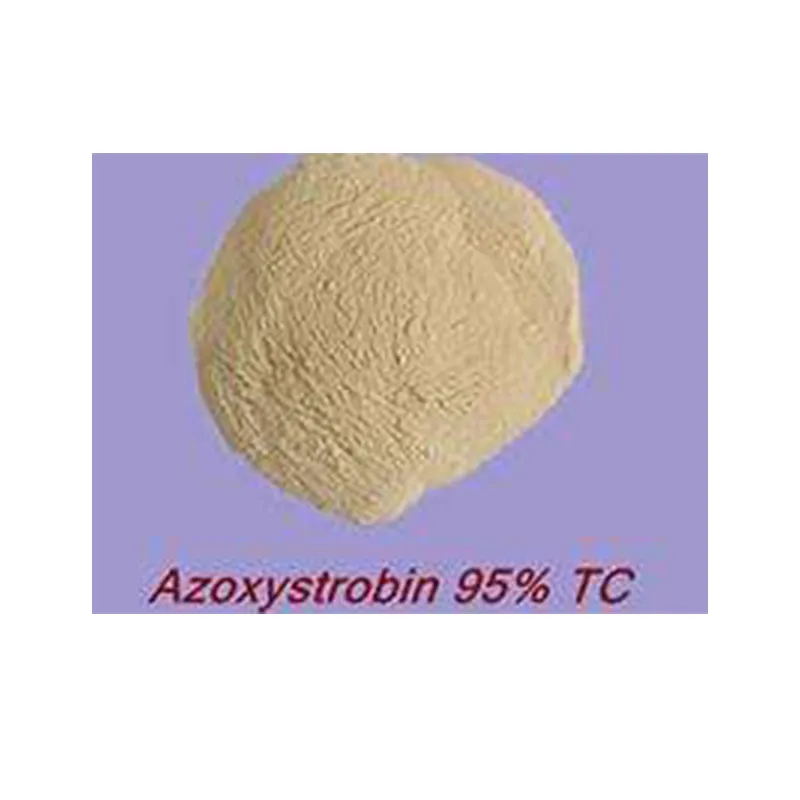
Azoxystrobin is a second broad-spectrum strobilurin fungicide. It forms a white to beige crystalline solid or powder.
Uses
Strobilurin fungicide; inhibits mitochondrial respiration by blocking electron transfer between cytochromes b and c1. Agricultural fungicide. Azoxystrobin has a very broad spectrum of activity and is effective against fungal pathogens from all four taxonomic groups: Oomycetes, Ascomycetes, Deuteromycetes and Basidiomycetes. It controls diseases on cereals, rice, vines, apples, peaches, bananas, citrus, cucurbits, potatoes, tomatoes, peanuts, coffee and turf. Azoxystrobin has been processed as a Reduced Risk pesticide for turf uses. Azoxystrobin is a systemic, broad-spectrum fungicide first introduced in 1998. It inhibits spore germination and is used on grapevines, cereals, potatoes, apples, bananas, citrus, tomatoes and other crops. The largest crop uses in California include almonds, rice, pistachios, wine grapes, raisins and garlic. Diseases it controls include rusts, downy mildew and powdery mildew, rice blast and apple scab. A U.S. EPA Restricted Use Pesticide (RUP).